
Institute of Infertility and IVF
- Male and female infertility
- Hormonal stimulation
- Insemination
- In vitro fertilization
- Recurrent miscarriages.
 |
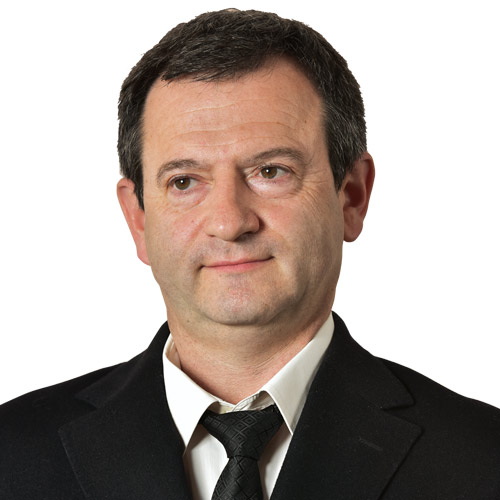 |
| Dr. G. Peer | Dr. B. Weitzman |
There is nothing more sacred for a woman than becoming a mother and having a healthy, happy child. For this purpose, a science exists today that helps women have offspring, and thousands of couples become parents. Reproductive medicine deals with: problems of female and male infertility, determines their exact cause, and allows, with a sufficiently high percentage, to achieve the set goal — to continue the family line.
Male infertility is a much rarer topic than female infertility, yet it presents much greater challenges in resolving this problem. The diagnosis is established after semen analysis, when a sharp decrease in sperm count (oligospermia) or their complete absence (azoospermia) is determined. Within minutes after providing the semen sample, the diagnosis is established, but the causes of this condition can be identified through a more detailed examination by a urologist, internist, and endocrinologist. Among such causes are varicocele, prior mumps, oncological diseases, prior chemotherapy treatments, and much more.
There is no medication in the world that increases sperm count in semen. However, there are methods that allow obtaining sperm even when they are absent in the semen — this is the TESA technology for extracting sperm from the testicle, which can then be implanted into an egg using the IVF method.
With a sharp decrease in sperm count and absence of pregnancy in the partner, there are methods for improving sperm quality and applying a special IVF method — ICSI. Female infertility is a broader pathology in its range of causes and manifestations. There is mechanical and functional infertility. Mechanical infertility is the inability of the sperm and egg to unite in the female reproductive organs.
This problem is caused by prior abdominal interventions, inflammatory processes in the abdomen and pelvis, and abdominal injuries. Laparoscopy with hysteroscopy is an effective method for separating adhesions with possible subsequent natural pregnancy. If pregnancy does not occur within 3 months after the endoscopic procedure, the woman and her partner are offered an IVF course.
Functional infertility is the absence of pregnancy in a woman due to endocrine disorders and problems related to egg release from the ovary into the free abdominal cavity. Women with menstrual cycle disorders, polycystic ovaries, and women over 35–40 years of age suffer from this problem. Examination of the hormonal and gynecological profile identifies the exact cause of functional infertility.
An infertility specialist prescribes the exact treatment strategy and sequence. The first stage is drug stimulation, which regulates ovulation and increases the chance of pregnancy. If the first stage of treatment is ineffective within 3 months, the woman is recommended (and with her consent undergoes) insemination — a procedure during which, after special preparation of the woman, the partner’s sperm is introduced into the uterine cavity via a catheter.
However, the most effective measure to achieve pregnancy worldwide is the IVF method. World statistics show the effectiveness of this treatment in 40% of couples. There are two protocols for managing a woman during IVF — long and short. The short protocol is performed over 2 weeks. The woman begins hormonal stimulation (follicle-stimulating hormone injections) on the first day of menstrual bleeding.
Under the control of blood tests, gynecological examinations, and gynecological ultrasound monitoring, the woman receives injections for 10–12 days. On day 10–11 of stimulation, the egg retrieval day is determined (the procedure is performed under ultrasound guidance under general sedation), and 48 hours later, embryo implantation into the uterine cavity is performed (typically, 2–3 embryos are transferred).
